Archives and Collections
About the Archives
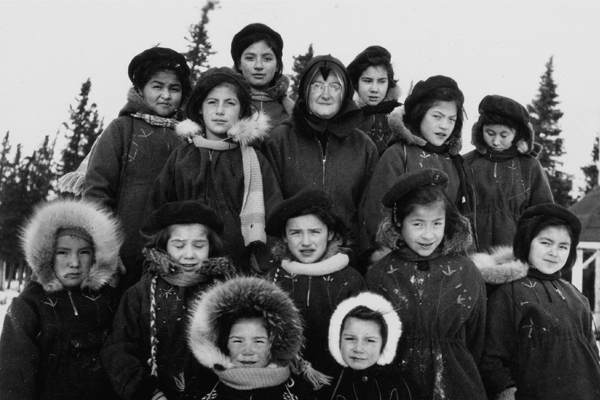
The NCTR Archives cares for more than four million records. The majority of these records were created or collected by the Truth and Reconciliation Commission of Canada (TRC) during its mandate, including the Survivor statements that represent the largest collection of residential school Survivor perspectives in existence.
Archival Tutorial Videos
Tutorial videos to help navigate our collections.
Public Database
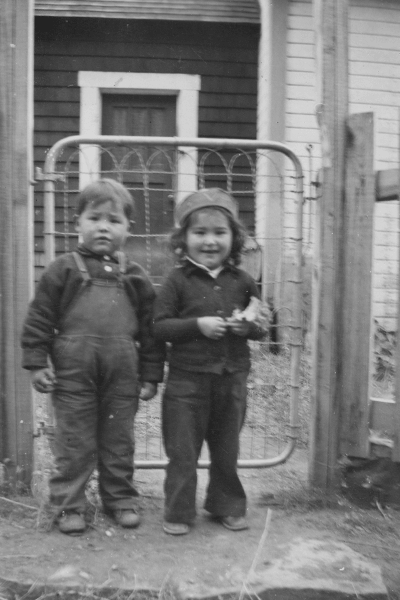
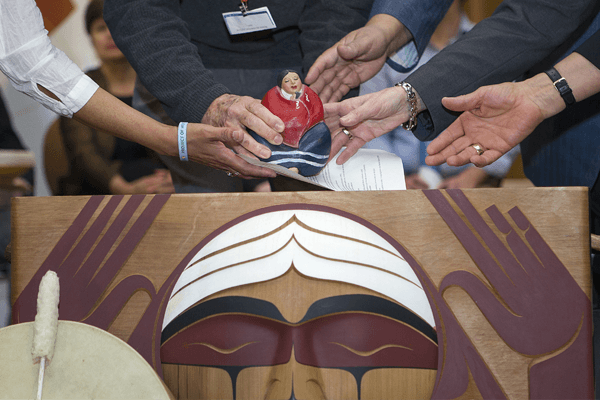
NCTR’s AtoM database is a rich, dynamic and vast collection of documents, oral histories, photos and other important records gathered by the TRC and beyond.
How to Access Records
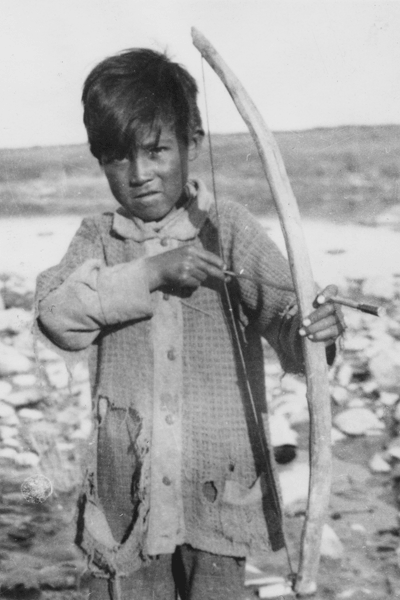
Learn how Survivors, family members, community researchers and others can find information on requesting records.
Legislation and Licensing
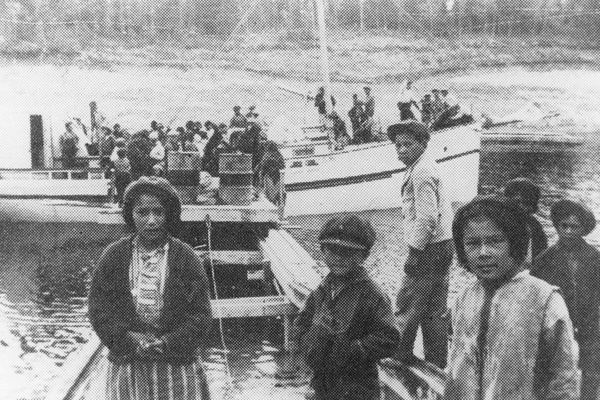
Learn how the NCTR balances transparency with privacy through our access policies, the distinction between open and restricted records, and guidance on copyright and permissions.
Interactive Map
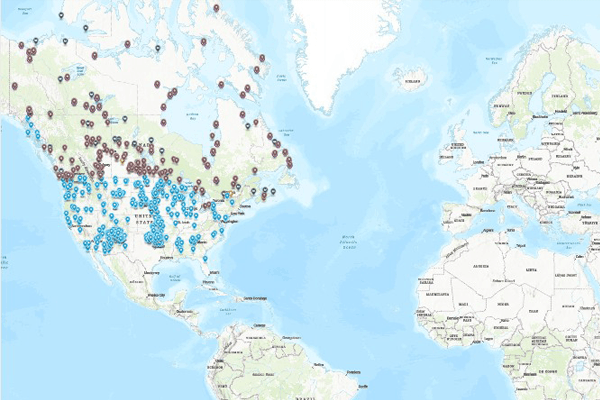
This interactive map allows you to explore public archival materials related to residential schools across North America.
Acquisitions and Preservation
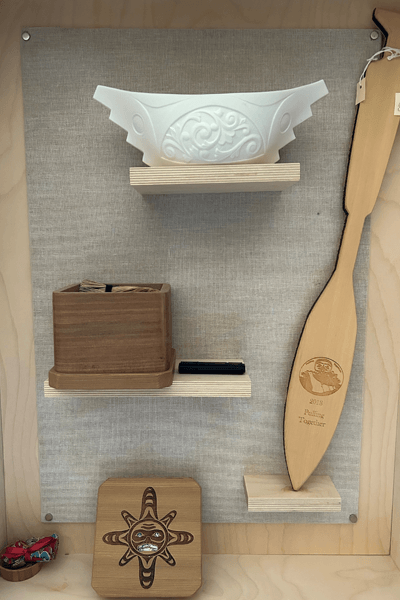
The NCTR continues to grow its archives through the collection of new statements and historical records. Learn more about the work we are doing with governments, religious entities and organizations to fulfill Call to Action 77.
Statement Gathering
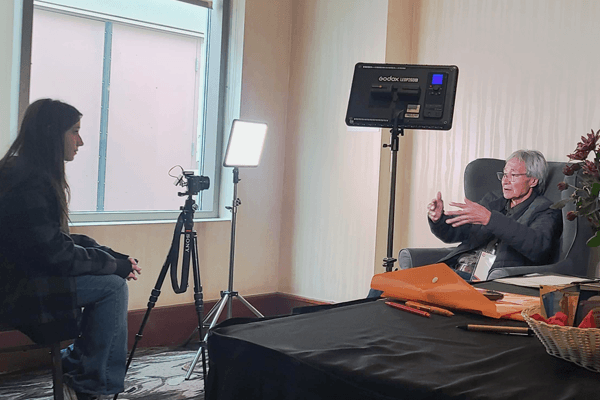
The NCTR has received thousands of hours of video and audio recordings, and many written statements from Survivors, intergenerational Survivors, and former residential school staff members. Learn how you can provide your statement.
IAP/ADR Records
If you made an Independent Assessment Process (IAP) or Alternative Dispute Resolution (ADR) claim for compensation for residential school abuse, you can request a copy for yourself and save your IAP or ADR records for history, public education, and research.
Browse current and past issues of our quarterly newsletter
Sign Up for Our Newsletter
Stay informed about NCTR news, events and initiatives.
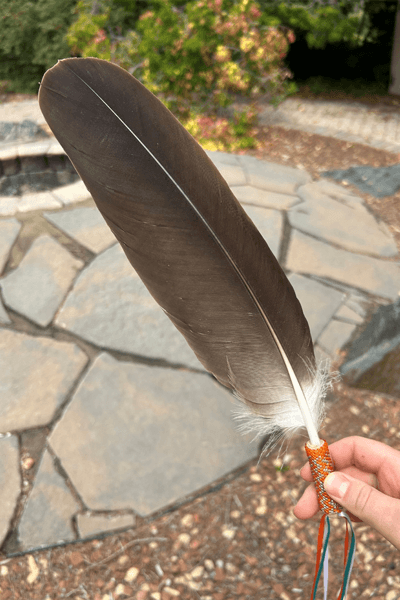
NCTR’s spirit name – bezhig miigwan, meaning “one feather”.
Bezhig miigwan calls upon us to see each Survivor coming to the NCTR as a single eagle feather and to show those Survivors the same respect and attention an eagle feather deserves. It also teaches we are all in this together — we are all one, connected, and it is vital to work together to achieve reconciliation.